7 Clear Signs Your Coral Springs Home Needs Professional Air Duct Cleaning
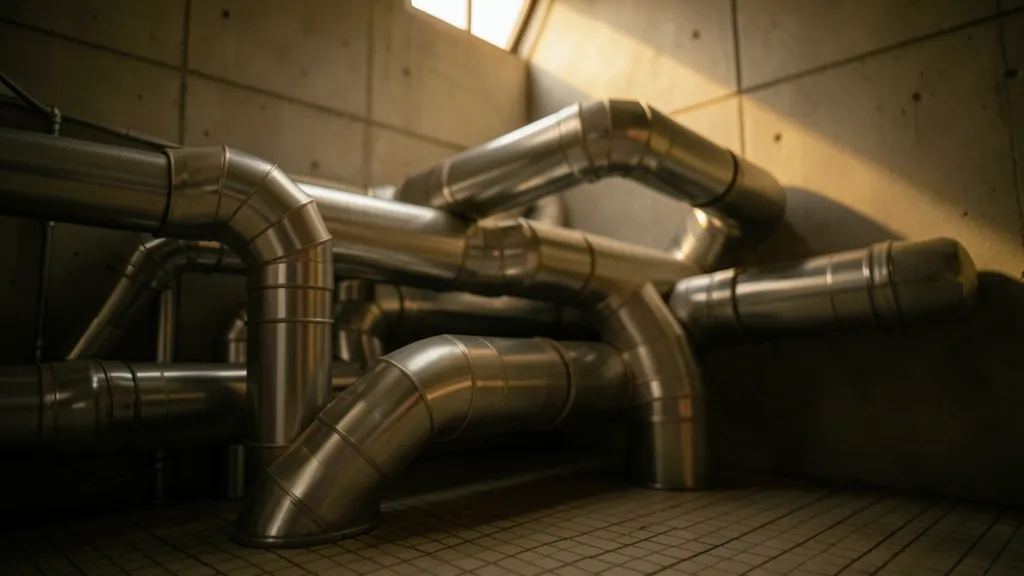
Your HVAC system works overtime in our humid South Florida climate, and over time, air ducts collect dust, mold, and debris that circulate through your home. Recognizing the early warning signs can save you from costly repairs and poor indoor air quality. Here’s what our team looks for during inspections in Coral Springs and surrounding areas like Parkland and Coconut Creek.
Visible Dust and Debris Around Vents
If you notice dust puffs when turning on the HVAC or see dust buildup on vent covers, your ductwork is likely clogged. This isn’t just unsightly—it’s a sign contaminants are being recirculated.
In homes with carpeting or frequent foot traffic, dust accumulates faster. Regular air filter replacement helps, but professional duct cleaning removes the source.
Vacuuming vents only addresses surface dust. Without specialized tools, you risk damaging ductwork or pushing contaminants deeper into the system.
Unexplained Allergies or Respiratory Issues
Sneezing, coughing, or itchy eyes that worsen indoors often point to poor indoor air quality. Pollen, pet dander, and dust mites thrive in unclean ducts, especially in our humid Coral Springs climate.
Families with asthma or allergies benefit most from duct cleaning paired with UV light sanitization. We’ve seen symptom relief within days after treatment in Margate and Tamarac homes.
Musty or Stale Odors Lingering in Your Home
Persistent musty smells usually mean mold or mildew in your ductwork. Florida’s moisture creates ideal conditions for growth, particularly in rarely used rooms or after AC leaks.
Mold spores spread through the HVAC system, affecting air quality even in dry seasons. Our team uses mold and mildew duct treatments to neutralize growth at the source.
Run your AC consistently in summer to reduce humidity. Consider a dehumidifier for areas like basements or garages in North Lauderdale.
Inconsistent Airflow or Temperature Between Rooms
Blocked ducts restrict airflow, causing some rooms to feel stuffy while others stay cold. This forces your HVAC to work harder, increasing energy bills.
Check for weak airflow at vents. If some rooms are consistently warmer, it’s time for an inspection—especially in older Coral Springs homes with aging ductwork.
Pest Infestations or Droppings in Ducts
Rats, insects, or even small lizards can enter ducts through gaps, leaving behind droppings and nests. These contaminants spread allergens and bacteria throughout your home.
Pest activity is common in attics and crawl spaces. If you hear scratching or see droppings near vents, schedule duct cleaning and seal entry points immediately.
| Contaminant | Source | Health Risk |
|---|---|---|
| Dust mites | Household dust, pet dander | Allergies, asthma triggers |
| Mold spores | Moisture, AC condensation | Respiratory issues, headaches |
| Rodent droppings | Pest infestations | Hantavirus, bacteria |
| Pollen | Outdoor air intake | Seasonal allergies |
Excessive Dust on Furniture Despite Regular Cleaning
If dust settles on surfaces within hours of cleaning, your ducts are likely the culprit. Fine particles bypass air filters and recirculate endlessly.
High-efficiency air filters help, but they can’t compensate for years of buildup. Professional cleaning removes the root cause, reducing dusting frequency by up to 50%.
Noisy HVAC or Increased Energy Bills
Clogged ducts force your system to labor, leading to strange noises like whistling or rattling. This inefficiency spikes energy costs, especially during Coral Springs’ long cooling season.
Compare your energy bills year-over-year. A sudden increase without usage changes often signals duct issues. Pair cleaning with HVAC coil cleaning for maximum efficiency.
When to Call a Professional vs. DIY Maintenance
While you can replace air filters and clean vent covers, ductwork requires professional tools like high-powered vacuums and brushes. We use camera inspections to assess hidden buildup.
For homes in Parkland or Coconut Creek, we recommend annual inspections, especially if you’ve renovated, had pest issues, or notice any of the signs above.
DIY Maintenance Between Cleanings
- Replace air filters every 1-3 months
- Vacuum vent covers and registers monthly
- Use a high-efficiency MERV 8-13 filter
- Keep humidity below 60% with a dehumidifier
- Seal gaps around ductwork in attics or crawl spaces
How to Inspect Your Air Ducts for Warning Signs
A quick visual and sensory check can reveal whether your ducts need professional attention.
- 1Check Vent Covers
Remove vent covers and look inside with a flashlight. Visible dust, debris, or mold means it’s time for a cleaning.
- 2Test Airflow
Hold a tissue near each vent while the HVAC runs. Weak airflow or no movement suggests blockages.
- 3Sniff for Odors
Turn on the system and stand near vents. Musty or stale smells indicate mold or trapped contaminants.
- 4Listen for Unusual Noises
Whistling, rattling, or banging sounds often point to loose components or obstructions in the ductwork.
- 5Monitor Dust Levels
If dust accumulates on furniture within a day of cleaning, your ducts are likely circulating particles.
- 6Review Energy Bills
Compare recent bills to the same month last year. Unexplained increases may signal duct inefficiency.
Frequently Asked Questions
How often should Coral Springs homes get air duct cleaning?
We recommend every 3–5 years for average homes, but annually if you have pets, allergies, or recent renovations. Florida’s humidity and pollen levels can accelerate buildup, especially in neighborhoods like Tamarac or North Lauderdale.
Can dirty air ducts make my allergies worse?
Absolutely. Dust mites, pollen, and pet dander trapped in ducts circulate through your home, triggering allergies and asthma. Professional cleaning, paired with UV light treatment, significantly reduces these airborne irritants.
What’s the difference between air duct cleaning and HVAC coil cleaning?
Air duct cleaning removes contaminants from the ductwork, while HVAC coil cleaning targets the evaporator and condenser coils. Both improve efficiency and air quality, but coils often need separate attention due to moisture and mold risks.
Do I need dryer vent cleaning if I’m already getting duct cleaning?
Yes. Dryer vents clog with lint separately from your HVAC ducts. We often find blocked dryer vents in Coral Springs homes, which pose fire risks and reduce appliance efficiency. It’s a quick add-on service.
How do I know if mold is in my ducts?
Visible mold around vents, musty odors, or unexplained respiratory issues are red flags. For confirmation, we offer indoor air quality testing. If mold is present, we use specialized treatments to sanitize the system.
Will air duct cleaning lower my energy bills?
Clean ducts improve HVAC efficiency, which can reduce energy costs by 15–25%. However, savings depend on the severity of the blockage and your system’s overall condition. Request a quote to assess potential improvements.