Meeting Indoor Air Quality Standards for Commercial Properties in Coral Springs
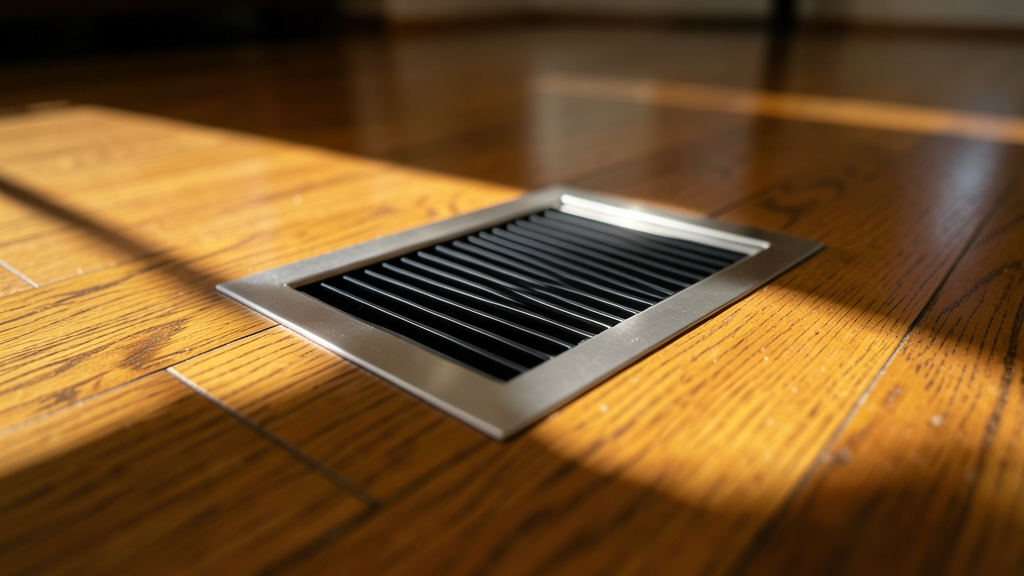
Poor indoor air quality in commercial spaces isn’t just uncomfortable—it’s a health and liability risk. In our humid Florida climate, mold, dust, and contaminants thrive in ductwork, making proactive HVAC maintenance non-negotiable for Coral Springs businesses. We help property managers and owners meet and exceed IAQ standards with targeted solutions.
Why Indoor Air Quality Standards Matter for Commercial Spaces
Commercial IAQ standards exist to protect occupants from pollutants that trigger allergies, asthma, and long-term respiratory issues. In high-traffic buildings, poor ventilation and dirty ducts amplify these risks exponentially.
Florida’s warmth and humidity create ideal conditions for mold and mildew growth in duct systems. Without regular cleaning and maintenance, these contaminants circulate throughout offices, retail spaces, and warehouses, violating OSHA and ASHRAE guidelines.
Non-compliance with IAQ standards can lead to fines, lawsuits, and lost productivity. In Coral Springs, commercial properties face heightened scrutiny due to the region’s moisture-related challenges.
Key IAQ Standards and Regulations for Commercial Buildings
ASHRAE Standard 62.1 sets minimum ventilation rates and indoor air quality levels for commercial and institutional buildings. It’s the baseline for most local codes, including those in Broward County.
The EPA’s IAQ Tools for Schools program, while education-focused, provides frameworks applicable to offices and retail. It emphasizes source control, ventilation improvements, and regular HVAC inspections—critical in our area’s humid climate.
OSHA’s General Duty Clause requires employers to provide a workplace free from recognized hazards, including poor air quality. For Coral Springs businesses, this means addressing duct contamination, mold, and inadequate filtration.
Common IAQ Contaminants in Coral Springs Commercial Ducts
Dust and debris accumulate quickly in commercial HVAC systems, especially in high-traffic areas like Parkland or Coconut Creek. These particles reduce airflow efficiency and degrade indoor air over time.
Mold and mildew are pervasive in South Florida due to persistent moisture. Once they take hold in ductwork, spores spread rapidly, requiring professional mold and mildew duct treatment to remediate.
Volatile Organic Compounds (VOCs) from cleaning products, furniture, and building materials off-gas into the air. Poor ventilation traps these chemicals, but HVAC coil cleaning and improved filtration can mitigate the issue.
| Contaminant | Source | Solution |
|---|---|---|
| Dust & Debris | Foot traffic, construction, poor filtration | Air duct cleaning, high-MERV filters |
| Mold & Mildew | Humidity, water leaks, poor drainage | Mold treatment, UV sanitization, moisture control |
| VOCs | Cleaning agents, furniture, adhesives | Ventilation improvements, activated carbon filters |
| Bacteria & Viruses | Occupant activity, poor airflow | UV light treatment, increased outdoor air intake |
| Pollen & Allergens | Outdoor air intake, open windows | HEPA filtration, regular duct maintenance |
The Role of Air Duct Cleaning in IAQ Compliance
Professional air duct cleaning removes accumulated contaminants from supply and return ducts, registers, and grilles. This directly improves airflow and reduces the circulation of harmful particles.
In commercial settings, we use specialized equipment like high-powered vacuums and brush systems to dislodge and extract debris. For larger systems in Tamarac or Margate, we may deploy robotic duct cleaners for hard-to-reach areas.
Post-cleaning, we recommend sealing ducts to prevent future contamination. This is especially critical in older buildings where ductwork may have gaps or poor insulation.
The NADCA recommends commercial air duct cleaning every 3–5 years, but high-traffic or moisture-prone buildings in Coral Springs may need it more often. Always inspect after renovations or water damage.
Complementary Services to Enhance Commercial IAQ
Dryer vent cleaning is often overlooked in commercial laundries or facilities with on-site dryers. Lint buildup restricts airflow and poses a fire hazard, while also degrading IAQ.
HVAC coil cleaning improves system efficiency and prevents microbial growth on evaporator and condenser coils. Dirty coils reduce cooling capacity and can harbor mold, especially in our humid environment.
UV light and sanitization treatments neutralize bacteria, viruses, and mold spores in ductwork. These systems are particularly effective in healthcare settings or buildings with sensitive occupants in North Lauderdale and beyond.
Indoor Air Quality Testing: The First Step Toward Compliance
Before implementing solutions, we conduct thorough indoor air quality testing to identify specific contaminants and their concentrations. This data guides our cleaning and remediation strategies.
Testing typically includes airborne particulate counts, VOC measurements, and microbial assessments. In Coral Springs, we pay special attention to humidity levels, as elevated moisture often correlates with mold growth.
Post-remediation testing verifies that IAQ improvements meet ASHRAE and EPA standards. This documentation is critical for compliance reporting and tenant assurance.
Maintaining IAQ Between Professional Cleanings
Regular air filter replacement is the simplest yet most effective way to maintain IAQ. Commercial properties should use filters with a MERV rating of 8–13, depending on the system’s capabilities.
Improving ventilation rates—either through natural or mechanical means—helps dilute indoor pollutants. In Florida, energy recovery ventilators (ERVs) are ideal for balancing humidity control with fresh air intake.
Encourage occupants to report IAQ concerns promptly. Common signs of poor air quality include musty odors, visible mold, or increased allergy symptoms among staff or customers.
Quick IAQ Maintenance Checklist for Property Managers
- Inspect and replace air filters every 1–3 months
- Schedule annual HVAC system inspections
- Monitor indoor humidity levels (keep below 60%)
- Clean and sanitize high-touch surfaces regularly
- Ensure all exhaust fans (kitchen, restroom) are functional
- Document all maintenance and testing for compliance
How to Prepare Your Coral Springs Commercial Property for IAQ Testing
Proper preparation ensures accurate results and a smoother testing process.
- 1Clear the Space
Remove clutter from areas near HVAC vents and returns to allow unrestricted access for testing equipment.
- 2Adjust HVAC Settings
Set the system to its normal operating mode at least 24 hours before testing to ensure typical conditions.
- 3Close Windows and Doors
Seal the building to prevent outdoor air from skewing indoor contaminant measurements.
- 4Notify Occupants
Inform staff or tenants about the testing schedule and any temporary disruptions to airflow.
- 5Provide System Documentation
Have maintenance records, filter types, and past IAQ reports ready for the technician’s review.
Frequently Asked Questions
How often should commercial air ducts be cleaned in Coral Springs?
We recommend commercial air duct cleaning every 3–5 years, but properties in high-humidity areas or with heavy foot traffic—like those in Parkland or Coconut Creek—may need it more frequently. Always inspect after water damage or renovations.
What are the signs my commercial building has poor indoor air quality?
Common indicators include musty odors, visible mold growth, increased dust accumulation, or reports of headaches, allergies, or respiratory issues among occupants. Unexplained HVAC inefficiency can also signal duct contamination.
Does air duct cleaning improve energy efficiency?
Yes. Clean ducts allow HVAC systems to operate more efficiently, reducing energy consumption. In commercial buildings, this can lead to significant cost savings, especially during Florida’s peak cooling seasons.
Are UV light treatments effective for commercial IAQ in Coral Springs?
UV-C light systems are highly effective at neutralizing mold, bacteria, and viruses in ductwork. They’re a valuable addition to air duct cleaning, particularly in humid climates like ours where microbial growth is a persistent issue.
What IAQ standards apply to commercial properties in Florida?
ASHRAE Standard 62.1 is the primary benchmark, along with EPA guidelines and OSHA’s General Duty Clause. Local Broward County codes may impose additional requirements, so it’s wise to consult with a local IAQ expert.
Can dryer vent cleaning impact indoor air quality?
Absolutely. Clogged dryer vents restrict airflow, causing lint and moisture to back up into the building. This not only degrades IAQ but also poses a fire risk. Regular dryer vent cleaning is a must for commercial laundries.