The Hidden Dangers of Rodents in Air Ducts for Coral Springs Property Owners
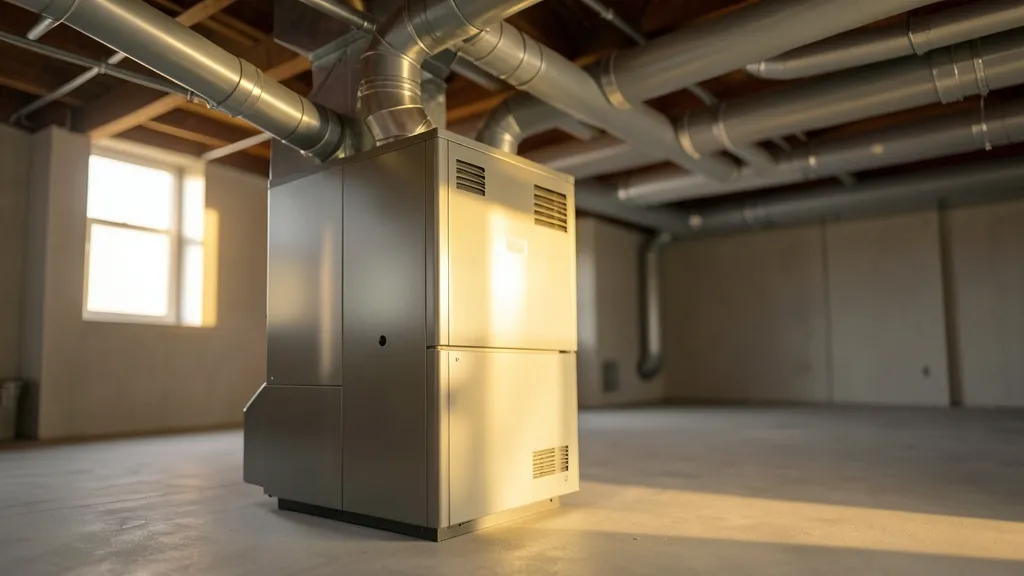
Rodents in your air ducts aren’t just a nuisance—they’re a serious health and HVAC hazard. In our humid Florida climate, these pests thrive, leaving behind droppings, urine, and nesting debris that circulate through your home. We’ve seen firsthand how quickly they compromise air quality and system efficiency in Coral Springs and neighboring areas like Parkland and Coconut Creek.
Why Rodents Target Air Ducts in South Florida Homes
Air ducts provide the perfect highway for rodents: dark, temperature-controlled, and full of hidden nooks. In Coral Springs, attics and crawl spaces often connect directly to ductwork, giving pests easy access.
Our warm, humid climate means rodents stay active year-round. They’re drawn to the airflow, which carries food odors from kitchens and living spaces, and the insulation in ducts makes ideal nesting material.
Health Risks of Rodent-Contaminated Ductwork
Rodent droppings and urine release harmful pathogens like hantavirus, salmonella, and leptospirosis into your air. These can trigger allergies, asthma, and respiratory infections—especially dangerous for children, the elderly, or immunocompromised residents.
Dead rodents in ducts decompose, releasing foul odors and breeding mold. In high-humidity areas like Margate and Tamarac, this mold spreads rapidly, worsening indoor air quality even after the pests are gone.
If you smell a persistent, musty odor or hear scratching in your vents, assume contamination. Avoid running your HVAC until ducts are inspected and cleaned.
HVAC System Damage Caused by Rodents
Rodents chew through ductwork, insulation, and even electrical wiring. This reduces airflow efficiency, forcing your system to work harder and driving up energy costs.
Nesting materials clog filters and coils, reducing HVAC performance. We often find damaged blower motors and contaminated coils in infested systems, requiring coil cleaning or even component replacement.
Signs You Have Rodents in Your Air Ducts
Unusual noises like scratching, scurrying, or squeaking in your vents are the most obvious red flags. These sounds are often louder at night when rodents are most active.
Visible droppings near vents, a musty or ammonia-like odor, or greasy rub marks along duct seams are telltale signs. In some Coral Springs homes, pests leave nesting debris like shredded insulation or fabric near return air grilles.
Rodent Red Flags in Ducts
- Scratching or scurrying sounds in vents
- Unexplained odors from HVAC system
- Droppings or urine stains near vents
- Reduced airflow or hot/cold spots in rooms
- Visible gnaw marks on ductwork or filters
Rodent Infestation vs. Other Duct Contaminants: How to Tell the Difference
Not all duct issues are rodent-related. Mold, dust mites, or pollen can also degrade air quality, but they lack the physical signs of pests. Rodent problems leave behind tangible evidence like droppings, nests, or chewed materials.
Mold often appears as black or green patches inside ducts or on coils, while rodent contamination includes organic debris and a distinct musky smell. Indoor air quality testing can confirm the presence of allergens or pathogens from either source.
| Sign | Rodents | Mold |
|---|---|---|
| Odor | Musky, ammonia-like | Musty, earthy |
| Visible Evidence | Droppings, nests, gnaw marks | Black/green patches, spores |
| Air Quality Impact | Pathogens, allergens from urine/droppings | Spores, mycotoxins |
| System Damage | Chewed wires, clogged filters | Corroded coils, blocked airflow |
| Common in Coral Springs? | Yes, year-round | Yes, especially in humid seasons |
How Rodents Enter Duct Systems in Coral Springs Homes
Gaps around duct joints, poorly sealed registers, or damaged vent covers are open invitations. In older homes in North Lauderdale or Margate, aging ductwork often has small cracks that rodents exploit.
Attics and crawl spaces are prime entry points. Rodents can squeeze through openings as small as a quarter-inch. Once inside, they travel freely through the duct network, contaminating multiple rooms.
Use metal mesh or foam sealant to close gaps around ducts, pipes, and vents. Avoid plastic or cardboard—rodents chew through them easily.
Professional Cleanup: Why DIY Falls Short
Vacuuming visible droppings or spraying disinfectant won’t reach deep contamination. Rodents nest in hard-to-access sections of ductwork, and their urine soaks into insulation, requiring removal and replacement.
We use specialized tools like high-powered vacuums, brushes, and sanitization treatments to fully decontaminate ducts. For severe cases, UV light treatment or mold and mildew duct treatment may be needed to restore air quality.
Preventing Future Rodent Infestations
Start with a thorough inspection of your ductwork, attic, and crawl spaces. Seal all entry points and install metal vent covers. Trim tree branches and shrubs near your home to limit access routes.
Regular air duct cleaning and filter replacement remove attractants like dust and food particles. In high-risk areas like Parkland or Coconut Creek, consider annual inspections, especially before winter when rodents seek shelter.
How to Inspect Your Ducts for Rodent Signs
A quick visual and sensory check can reveal early signs of rodent activity in your ducts.
- 1Turn Off Your HVAC System
Prevents the spread of contaminants while you inspect. Open all registers and remove vent covers carefully.
- 2Check for Droppings or Debris
Use a flashlight to look inside ducts near vents. Rodent droppings are dark, rice-sized pellets. Nesting materials may look like shredded paper or fabric.
- 3Listen for Noises
Turn the system back on and listen at each vent. Scratching or scurrying sounds indicate active pests. Note which rooms have the most noise.
- 4Smell for Odors
A musty or ammonia-like smell from the vents is a strong sign of rodent urine or dead pests. Compare the odor to other areas of your home.
- 5Inspect the Attic and Crawl Space
Look for gaps in ductwork, chewed insulation, or signs of rodent activity near HVAC components. Pay special attention to areas where ducts connect.
- 6Document and Call a Professional
Take photos of any evidence and note locations. Contact a local air duct cleaning expert to assess the infestation and recommend cleanup or exclusion measures.
Frequently Asked Questions
Can rodents in air ducts make my family sick?
Yes. Rodent droppings and urine release harmful bacteria and viruses into your air, which can cause respiratory infections, allergies, or even hantavirus. Children, the elderly, and those with weakened immune systems are most at risk.
How do I know if the strange smell in my Coral Springs home is from rodents or mold?
Rodent odors are often musky or ammonia-like, while mold smells musty or earthy. Rodents also leave visible droppings or nesting materials, whereas mold appears as dark patches in ducts or on coils. If unsure, indoor air quality testing can identify the source.
Will a standard air filter catch rodent contaminants?
No. Standard filters are designed for dust and pollen, not rodent droppings or urine. These contaminants bypass filters and circulate through your home. A professional duct cleaning with sanitization treatment is required to remove them.
Are rodents more common in certain Coral Springs neighborhoods?
Rodents thrive in areas with older homes, dense vegetation, or nearby water sources. Neighborhoods like North Lauderdale and Margate, with older ductwork and lush landscaping, often see higher infestation rates. However, no area is immune.
What’s the first step if I suspect rodents in my ducts?
Turn off your HVAC system to prevent spreading contaminants, then contact a local air duct cleaning professional. Avoid DIY cleaning, as disturbing droppings or nests can release harmful pathogens into the air.
Can rodents damage my HVAC system permanently?
Yes. Rodents chew through wires, insulation, and ductwork, leading to costly repairs or even system failure. Nesting materials can clog coils and filters, reducing efficiency and lifespan. Prompt cleanup and exclusion are key to preventing long-term damage.